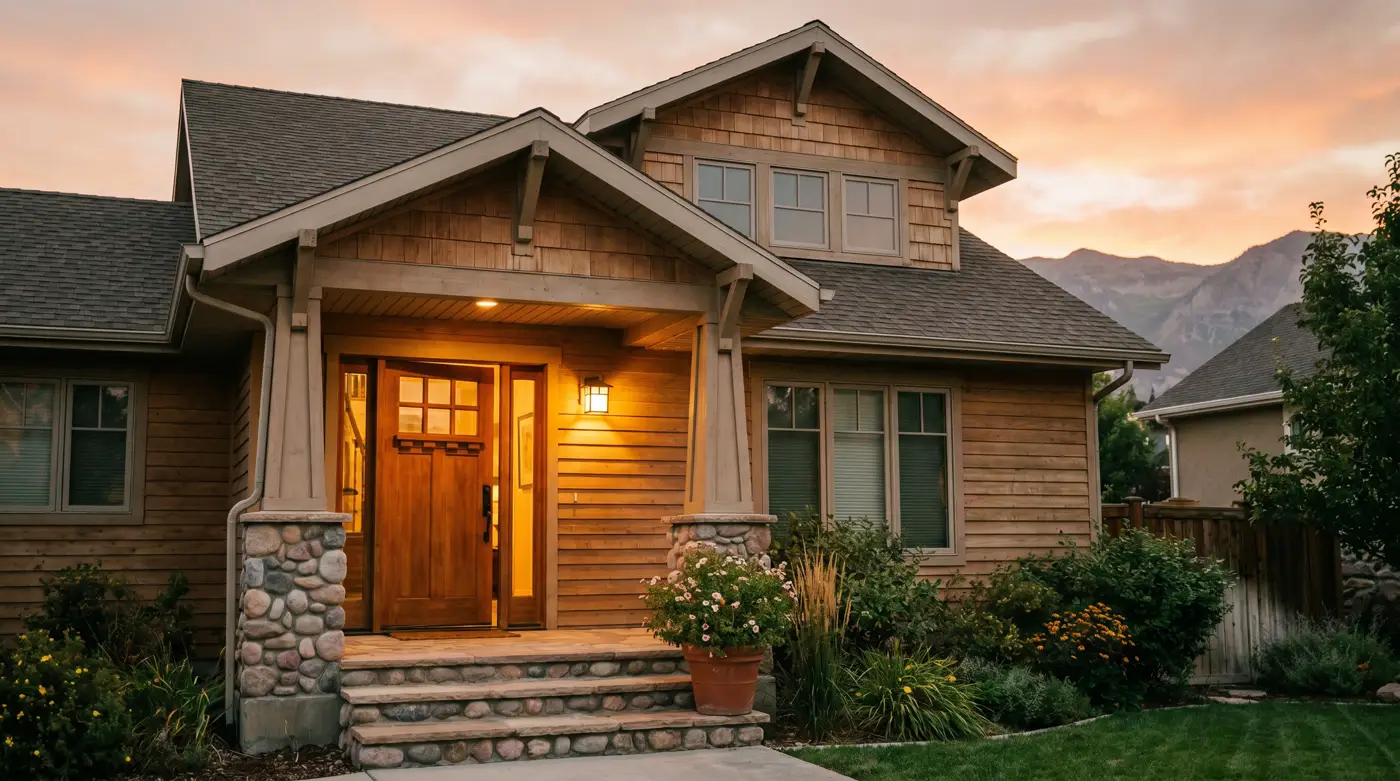
Lehi, Utah · Pilot Program
A home is the first step.
A job is the second.
Stepping Stone Initiative houses formerly homeless adults as live-in property managers — giving them stability, purpose, and a paycheck, while a market-rate tenant helps fund the next home.
The Need
Utah's housing gap is growing faster than its safety net
Homelessness in Utah — and especially in Utah County — has climbed sharply in recent years, straining shelters and outpacing the supply of affordable, supportive housing.
4,584
Utahns counted homeless in the January 2025 point-in-time count — up 18% year over year, a record high
235
People counted in Utah County's 2025 point-in-time count — up 34% from 175 the year before
~44,000
Additional affordable rental homes needed statewide to meet demand from extremely low-income renters
4,512
Statewide count in 2026 — easing slightly for the first time in years, but still near record levels
The Model
The stepping-stone model
It started with one house and one idea: a local homeowner opened their home to a formerly homeless couple, Paul and Michelle, hired them as the property's resident managers, and rented the rest of the house to a market-rate tenant. The rent covers a fair stipend and the home's costs — with a surplus left over. That surplus is the seed for the next home. Stepping Stone Initiative exists to repeat that flywheel, deliberately and at scale, starting in Lehi.
-
01
A home, owned outright
The nonprofit acquires a home debt-free, so there's no mortgage risk and every dollar of rent goes toward mission, not interest.
-
02
A resident manager, employed
A formerly homeless adult moves in as a paid, employed property manager — with housing, income, and daily structure from day one.
-
03
A market-rate tenant, sharing the roof
A second tenant rents at market rate, bringing in revenue that funds the resident manager's stipend and the home's operating costs.
-
04
Surplus, reinvested
What's left over each month builds toward a reserve — and eventually, a down payment on the next home in the pipeline.

Why It Works
This works because it's been tried
15% → 53%
Employment social enterprises raise stable housing rates from roughly 15% to 53% among participants — and return $2.23 in social value for every $1 invested.
~62%
The Doe Fund's transitional employment model graduates roughly 62% of participants into steady, independent work.
The Numbers
What it costs, and what it returns
A single home in Lehi is a self-sustaining unit — not a recurring expense. Here's what one home looks like financially.
Home value (Lehi, UT)
≈ $570,000
Typical purchase price for a single-family home suited to this model in Lehi.
Monthly rent tiers
$1,700 – $2,100
Low $1,700 · Mid $1,900 · High $2,100 — market-rate tenant contribution per month.
5-year organic reserve
$78,153
Projected surplus built up over five years from one home under baseline assumptions, before any grants.
The Ask
Fund a home. Change a life. Start a flywheel.
A gift to Stepping Stone Initiative doesn't just cover a program cost — it buys a physical, appreciating asset that funds its own upkeep and, over time, funds the next home too.
$587,100
Buys one home, debt-free
Covers purchase price plus closing and initial setup costs for a single Lehi home.
$1,174,200
Buys two homes
Doubles capacity in the pilot phase, housing two resident managers and two market-rate tenants.
$1.5M gift
Funds two homes + reserve
Funds two homes, leaves $325,800 in reserve, and generates +$1,063/month in combined surplus — before any additional grants.
Utah County and Lehi City together direct over $1.7M per year in CDBG funds toward affordable housing — funding we intend to pursue alongside private and faith-based gifts like yours. (Utah.gov public notice)
Get Involved
Two ways to help right now
For Donors
-
Fund a home. A one-time gift of $587,100 buys a home debt-free and starts a new flywheel.
-
Become a recurring supporter. Monthly gifts of any size help cover stipends and maintenance between larger gifts.
For the Community
-
Volunteer. Help with home setup, move-ins, or mentoring resident managers.
-
Spread the word or refer a candidate. Know someone ready for stable housing and steady work, or someone looking for a market-rate rental with purpose? Tell us.